
Why Your Changes Aren't Sticking with Your Team (or You!)- and How to Fix It
Susan Thomson • April 1, 2026
Why Your Changes Aren't Sticking with Your Team (or You!)- and How to Fix It
Change is hard. Whether you're trying to shift a bad habit of your own, transform your team's behavior or overhaul a process, resistance has a way of showing up uninvited. Even when you have initial excitement, the new behaviors don't stick - a couple of weeks, and you're back to your old habits.
Sometimes it's not about the actual change - it's about how you think about the change.
It's kind of like driving a car. When your car is out of alignment, you have to keep steering it back onto the road. You can have a high-performance vehicle, but if it's out of alignment, it's not going to work right.
Your mindset - how you think - is the same way. You can have the best strategy, systems and tools on the planet, but if your brain isn't in the right place they're not going to work.
So how to get your mindset about change in the right place? There's a proven formula to help you. It's called the Change Formula.
It looks like this: D × V + F > R
D — stands for Dissatisfaction
V — stands for Vision
F — stands for First Steps
R — stands for Resistance to Change
Dissatisfaction, Vision and First Steps must be greater than Your Resistance to Change or the change won't stick.
Let's start with Resistance - And all of us have it - it's called your comfort zone. Even if you're trying to change a bad habit like working nights and weekends, you have the habit because at some point in your career it served you. It became your new normal. Breaking that habit might open up all kinds of things that you've also been resisting - like having to work out because you've removed the "not enough time" excuse. Or having time with your family but they're teens now and they don't want quality time with mom or dad. Get all of your resistance down on paper. Writing things down tends to make them more objective than when they live in your head.
Dissatisfaction (pain) is important as well. If you are not fundamentally dissatisfied with how things are working today, you have no reason to make a change - vision alone isn't enough to change behavior.
I used to run some big global projects for Fiskars, the orange-handled scissor company. I could paint a vision of how some initiative would lower our operating costs and make our products more compelling and help them sell better - people would be excited and pumped, and "all in," but they'd never get started. UNTIL Wal-Mart said they'd kick us out if we didn't do the initiative - instant dissatisfaction. Things got done. Are you frustrated enough to try something different?
Vision is key. If you don't know what "better" looks like, you have nothing to motivate you to do the work. Take the time to define your vision so you get excited about what's ahead.
First Steps are your roadmap. If the "thing" looks too big, it's your elephant. Eat it one bite at a time. Don't worry about seeing every step right now - just the first couple. Take the first step today.
Working nights and weekends was a slippery slope for me for a long time. I had more work to get done than there were hours in the workday. So, I rationalized working ungodly hours - it was critical for my company to be successful. Today I get more done in 40-45 hours than I used to in 70. That includes Board of Director work, networking and even committee work.
Here's how I worked the formula:
D - I was burning out fast and had no time with my husband. This ate at my very core. Not okay.
V - I craved time together, time to enjoy the outdoors, to garden, to bike - lots of things that I would get to do if I had more time
F - I made a pact with my husband that if I really felt I needed to work a night or weekend, that I had to ask him if that was ok with him first. Believe me I thought long and hard about whether I really needed the extra time before I was going to admit that I didn't get my stuff done.
R - My comfort zone was believing that I always had buffer time (nights and weekends) to finish up things that I wasn't productive with during the day. The reality? It took me twice as long to get things done on weekends because my focus wasn't there.
So, what does all this mean for you? It doesn't matter where you are now. Choosing that "what is today" isn't okay anymore is the first step.
The Hidden Risk When Your Business Transfers
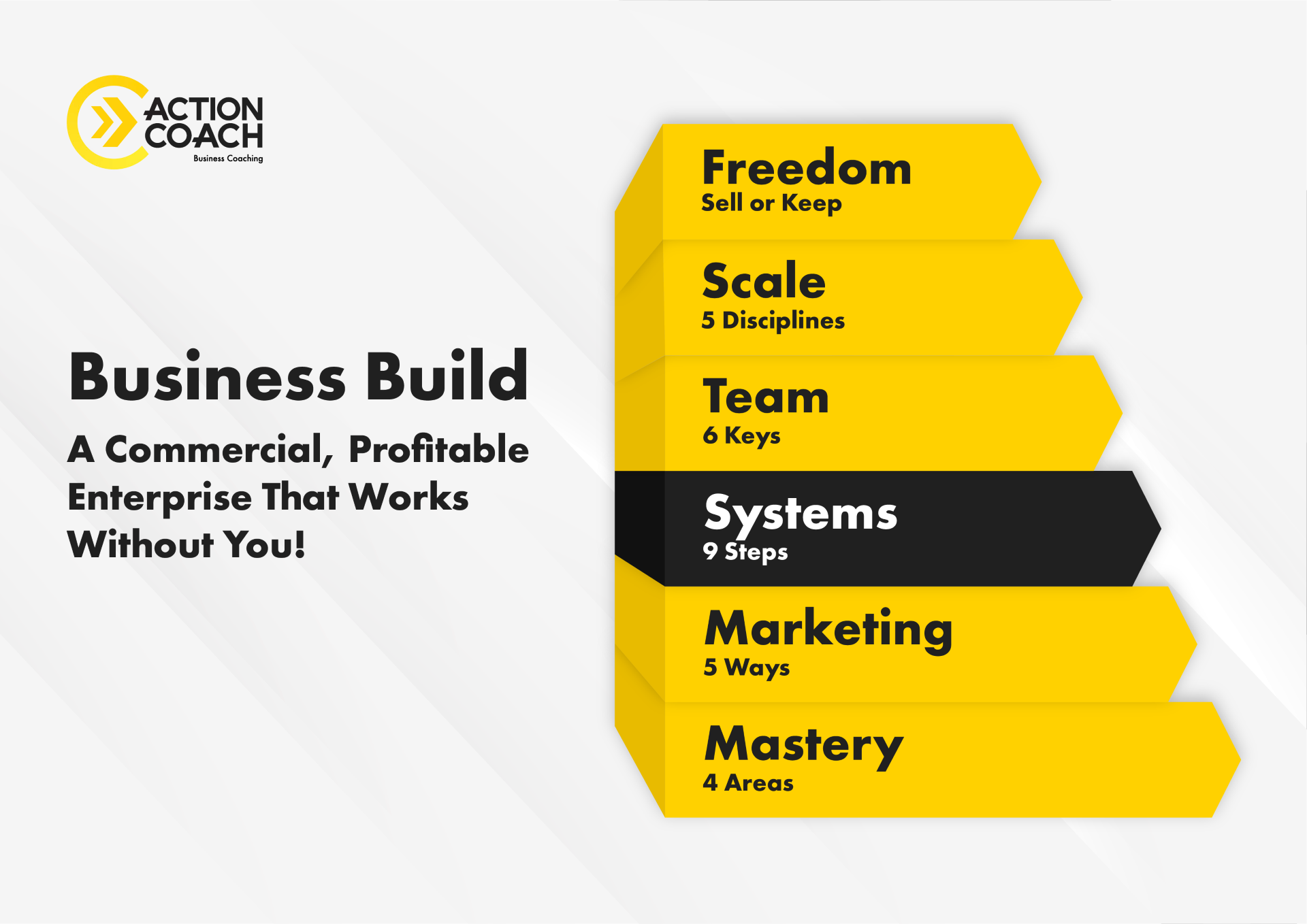
You're not lying awake at 2:00 a.m. thinking... "I really should work on my succession plan." You're thinking... "I can't keep doing this forever." "What happens if I get hit by a bus?" "I don't want to work 70-hour weeks at 67." "My business is worth everything to me...I hope it's actually worth something." "My kids don't want it." "My employees aren't ready." "I have no idea what I'd do if I retired." "I don't want to lose everything I've spent 30 years building." "I'm trapped." "I don't have options." What a succession plan gives you (and your team) is the roadmap so you can have a business that gives you - today - the life you hoped it would. The ABOS (tm) System gives you the blueprint for a healthy, thriving business. One that gives your team a career path. One that gives you time freedom. One that makes you more money today so you have more options tomorrow. Here's what that system looks like:

Most business owners spend years imagining “someday.” “Someday” you’ll take the trip. Someday you’ll spend more time with your family. Someday you’ll sleep through the night without worrying about payroll, where your next sale is coming from, or cash flow. Then one day, “Someday” starts getting closer. Maybe you’re approaching retirement. Maybe you’ve had a health scare. Maybe you’re tired and not up for another economic downturn. OR maybe you’ve built a successful company and are ready for the next chapter. Whatever brings you to the conversation, one thing is certain: exiting a business is as much an emotional journey as it is a financial one. Before you make your move, here are seven things every owner should consider. 1. What Are You Running Toward? So many people spend years planning their exit from their business but almost no time planning their future beyond it. What will you do on Monday morning when your business doesn’t need you? In our experience, owners who transition most successfully aren’t escaping burnout. They’re moving toward something meaningful. Travel, mentoring, family, philanthropy, hobbies, board service, investing, or a new venture can provide purpose when the business no longer does. So don’t just build your exit plan. Build a life plan. 2. Is Your Identity Tied to Your Business? Pay attention to this one – it is SO important. For many owners, your business IS you – it’s what you’ve spent your entire adult life building. It’s consumed your waking hours, your passions, your fears – you ARE your business. While you used to introduce yourself with “I’m the owner of…” for twenty or thirty years, letting go can feel surprisingly tough. The question isn’t whether you’re ready to sell. The question is whether you’re ready to stop being the person you’ve been for decades. The sooner you begin exploring what comes next, the easier the transition becomes. 3. Can the Business Thrive Without You? Nothing reduces value faster than a company that’s too dependent on the owner. It usually comes down to client, vendor and community relationships, operational systems where you hold the nuances in your head, or strategic discussions that always start and flow through you. If this sounds familiar, you’ve built yourself a job, not a transferable asset. A business that runs without you is worth more, easier to transfer, and far less stressful to exit. 4. Have You Developed Your Next Generation of Leaders? Whether you’re selling to a third party, transferring ownership to your family, or creating an internal succession plan, leadership matters. Future owners need confidence. Your company needs clarity. Your customers need reassurance. The strongest succession plans don’t start when the owner leaves. They start YEARS EARLIER by intentionally developing leaders who can carry the business forward. 5. Do You Know What Your Business Is Actually Worth? You might have a number in mind. Unfortunately, the market may have a different number. Understanding what drives your business’s value today gives you time to improve those metrics before you need to exit. Revenue concentration, profitability, systems, leadership depth, customer retention, owner dependence, and EBITDA all play a role. The difference between planning early and planning late can be worth hundreds of thousands, or even millions, of dollars. 6. Have You Communicated a Future That Your People Can Believe In? One of the biggest fears owners we talk to have is that their employees or customers will panic if they learn they’re working on a succession plan. Here’s what really happens: not talking about succession creates way more anxiety in your people than planning does. When handled properly, succession planning communicates stability, opportunity, and confidence. Your employees see a career path – a future with your company even if you aren’t there. Your customers see continuity. Future owners see a roadmap. 7. What Happens If You Don’t Get to Choose? This is the question most people avoid. What happens if a health event, disability, burnout, or unexpected life event forces you to transition before you’re ready? The best succession plans aren’t about retirement. They’re about preparedness. You deserve the opportunity to leave on your terms. Planning early gives you options, flexibility, and peace of mind. Waiting often leaves you with fewer choices. The Bottom Line The best exits don’t happen by accident. They happen when you intentionally prepare both the business and yourself for what comes next. Whether you’re five years away from retirement or simply beginning to wonder what life outside the business might look like, now is the time to start the conversation. Because the ultimate goal isn’t just to leave your business. It’s to create a future where both you and the business continue to thrive. Want to learn more? Two options for you: Succession University begins July 15th at 3:00pm. If you’re unsure how to step back from your business or make it transferable, Succession University gives you the clarity, tools, and confidence to do it right. Option 1: You’ll learn how to build your company’s value, reduce reliance on you, and create a clear, actionable roadmap for both you and your team. You’ll have the time to implement what you learn—so your succession plan isn’t just theoretical, it works in practice. If you’re ready to register now, click below. With two start dates per year, you can choose the timing that works best for you. If not, no worries—book a complimentary strategy call to learn more! Join us in person or attend hybrid—whatever works best for you. Sessions are held weekly throughout the program, giving you consistent support and accountability. We’d love to see you there! Option 2 : Succession Roundtable – Join our Succession Roundtable every 4th Thursday of the month at 11:30. You’ll be with other owners and execs who are experiencing what you are, and you’ll be led by an experienced Succession Coach and licensed Exit Planner. This is a peer group – no sales pitch. Just others going on the same journey. Email AmyAtherton@ActionCOACH.com for an invitation.

Most organizations don’t fail at strategy. They fail at execution and accountability. In most companies the plan itself is sound. Your priorities make sense. Your intent is clear. What breaks down is what happens after your plan is rolled out to the team. Your ownership blurs. Your follow through weakens. Your urgent work crowds out important work. Execution doesn’t fail because people don’t care. It fails because accountability is inconsistent or unclear. Without a visible chain from Strategy -> Decision Ownership -> Weekly Execution -> Celebration or Consequence… even a strong strategy loses momentum. Execution is not a motivation issue. It’s a system issue. Try this instead: 1. Get your plan done fast. If you’ve ever suffered through the every-month-for-a-year version of strategic planning, then you’ve experienced the re-hashing, re-explaining, and re-assumpting that kills momentum. Get a good facilitator and get your roadmap done so your team knows where they are headed and how they fit. (Shameless plug – we’re really, really good at this.) 2. Involve the right team members. Some will be on your leadership team; some will be different levels in your organization. Each person owns their part of your plan. If it’s obvious that someone doesn’t want to participate, don’t let them. Be picky about who’s on your planning team. 3. Build in formal systems to monitor and advance your plan. QUARTERLY PLANNING DAYS with your local ActionCOACH community keep you on track with a network of other high performing companies. MONTHLY REVIEWS keep focus and attention on high-level initiatives. Weekly agenda items and Green-Yellow-Red visual cues you’re your team moving and accomplishing weekly goals. 4. Make your plan and progress visible. 80% of adults learn and process information visually (by seeing it) or kinesthetically (by experiencing it). Your plan tucked away on a shared network drive is “out of sight, out of mind.” Get your goals and metrics up on the wall and show progress each week. Hold your morning huddles in front of it. The more important you make executing the plan, the more your team will too. 5. Celebrate progress, not just the end result. We worked with a vehicle manufacturer who was producing 1 of a certain type of vehicle per week. Their KPI (Key Performance Indicator) was 1 vehicle per day. 7 months into the year, the team was producing 3.5 vehicles per week, and the manager was constantly talking about how short they were from hitting the goal. Imagine being on that team. In 7 months, your team went from producing 50 vehicles per year to 175! That’s a HUGE improvement! Celebrate every one of those gains and the gaps will take care of themselves. Your Plan is the foundation of your company! When your team has the roadmap they can move SO much faster, and they stop wasting time and money getting pulled into the whirlwind that demands all their time. Ready to redo your Strategic, Business or Succession Plan so that you get the results you’re looking for? Learn more here: https://www.makemoreworklesswi.com/businessplan

You’re on a Board — Now What? Landing a board seat is an achievement worth celebrating. It signals trust in your experience, your judgment, and your ability to contribute at a higher level. Once the congratulations fade, the real work begins. Now what? The most effective board members don’t just show up prepared—they show up aware. Aware of people, dynamics, language, and culture of the board they’ve joined. 1. Learn About Your Fellow Board Members First Your board is made up of people - with different motivations, experiences, and influence. Take time early on to build one-on-one relationships outside of board meetings. Be observant - What motivated them to be on the board? Who tends to drive discussion? Who asks insightful questions? Who builds consensus behind the scenes? Who's the contrarian? Understand the people first and you'll be able to contribute in a way that’s both heard and valued. 2. Learn the Board’s “Language” Every industry has its own language: industry jargon, financial metrics and acronyms that fly by in meetings. Get fluent in their language early. You might even ask for a glossary (I did when I was on an insurance company board). Don't be afraid to ask questions if you don't understand something. The faster you learn how this board talks about success and risk in their industry, the faster you can engage in meaningful dialogue. 3. Read the Culture—Then Add to It Some boards are highly formal and structured. Others are conversational and fluid. Some lean into governance and oversight; others operate as strategic partners to leadership. Your job isn’t to change the culture—it’s to understand it. Then, thoughtfully bring your perspective in a way that complements and serves the group. 4. Know What Belongs in the Boardroom Strong board members understand the difference between governance and management. The boardroom is for: Strategy and long-term direction Oversight and accountability Asking thoughtful, future-focused questions It is not for: Solving operational issues - that's the CEO's role Managing staff Diving too deeply into tactical execution Advancing your own personal agenda If a conversation feels “in the weeds,” it probably is. The discipline is in pulling the conversation back up to the level where the board can add the most value. 5. Add Value Early—But Thoughtfully You've earned your seat at the table - don't fall into the trap of feeling like you need to prove yourself at the first board meeting. Resist the urge to speak just to feel like you are contributing. Instead, be curious. Listen, ask questions, and look for moments where your experience genuinely advances the conversation. Thoughtful contributions build credibility far faster than frequent ones. 6. Be Hungry to Learn Oftentimes you've been asked to join a board because you have deep knowledge and experience in the industry. Your challenge will be to learn how this company operates within it, how they can mitigate threats to the industry (or the company), and how they can take advantage of - or even create - opportunities. Being on a board is an amazing opportunity to be exposed to strategies and approaches that you may have never thought of before. I was blown away at some of the initiatives that my insurance company brought before us. I learned a lot, a nd expanded my vision of what was possible in that industry.
The Lasting Impact of a First Impression

Future-Proof Your Business: Succession Is All About Strategy.

Many ADHD leaders believe they simply need to push harder or stay more disciplined. In reality, the issue isn’t effort—it’s operating without the right support. Coaching works because it provides structure where consistency is difficult to maintain alone. For ADHD business owners and executives, coaching creates: a trusted thinking partner a clear decision-making framework consistent accountability systems that support follow-through When leaders have structure and support, progress becomes sustainable instead of reactive. The ROI shows up in clearer thinking, better decisions, stronger teams, and reduced stress—allowing leaders to focus on growth instead of firefighting. Our January ADHD coaching launch is built for leaders who want results, not more pressure.

ADHD business owners and executives are often highly capable, strategic, and driven. Yet without the right structure, their performance can feel inconsistent and exhausting. The challenge isn’t effort—it’s friction. Without systems in place, ADHD can turn decision-making into fatigue and leadership into constant reaction. Coaching removes that friction by creating clarity, accountability, and focus. ADHD-focused coaching delivers ROI by providing: External structure that supports consistent execution Clear priorities that reduce decision overload Accountability that drives follow-through Proven systems that turn effort into results The outcome is measurable: improved time management, stronger leadership, fewer mistakes, and better use of resources. That’s not motivation—it’s return on investment. Our ADHD-focused coaching program, launching in January, is designed to help business owners and executives lead with clarity, confidence, and control.

Succession planning isn’t just about preparing for the future—it’s about protecting the value you’ve worked hard to build. In this conversation, Bob Wood from Sunbelt Business Advisors shares a broker’s perspective on why early planning is essential for a smooth and profitable business transition. Discover what business owners should be doing now to maximize value, reduce risk, and ensure their legacy continues long after they step away.